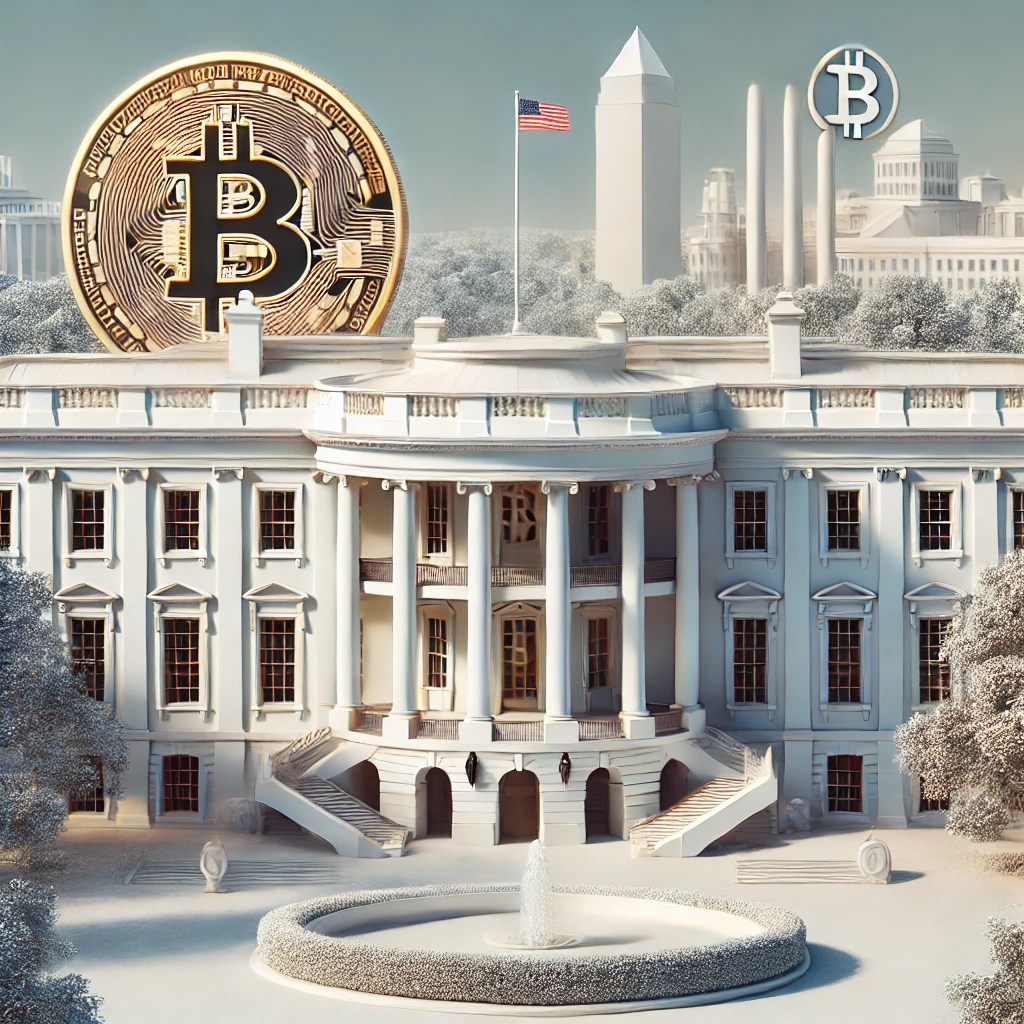
The first-ever White House Crypto Summit, held in March 2025, was a historic moment for the cryptocurrency industry. President Trump welcomed leading crypto executives, government officials, and financial regulators to discuss the future of digital assets in the United States. The summit aimed to address key issues such as regulatory clarity, financial innovation, and the government’s role in crypto adoption. While the event marked a significant step forward in policy discussions, many participants and industry observers left feeling disappointed.
Key Takeaways from the Summit
1. No Major New Policy Announcements on Bitcoin Reserves
While discussions around a U.S. Strategic Bitcoin Reserve continued, this was not a new initiative—it had been previously announced by the administration. The summit largely reaffirmed that the government would hold Bitcoin seized from criminal activities and maintain a no-sell policy. However, there were no new commitments to purchase additional Bitcoin or expand the reserve through other means, which disappointed some market participants hoping for a more aggressive stance.
2. Regulation Without Clear Frameworks
Regulatory clarity was a central theme of the summit. Trump urged Congress to pass comprehensive crypto regulations before the August recess, but no concrete framework or roadmap was presented. While industry leaders expressed their need for clear and fair regulations, the lack of specific policy proposals left many with lingering questions. Companies are still unsure how the government will regulate exchanges, stablecoins, and DeFi projects.
3. No Immediate Action on Crypto Investment or Incentives
Many expected the White House to introduce new incentives for crypto businesses, such as tax breaks or simplified compliance structures. However, there were no announcements regarding capital gains tax reforms or investment programs for blockchain innovation. Without clear regulatory and financial incentives, many projects still face an uncertain future.
Why Many Found It Disappointing
1. Lack of Concrete Commitments
While the summit was an important symbolic moment, it lacked substantial policy decisions. The industry has long sought definitive regulatory clarity, and yet, attendees left with more questions than answers. The President’s call for legislation was seen as encouraging, but without a clear bill or proposal, the timeline remains uncertain.
2. No New Government Crypto Purchases
There was speculation that the U.S. government might begin purchasing Bitcoin or other cryptocurrencies as part of a broader digital asset strategy. Instead, the focus was solely on managing seized crypto assets, disappointing investors and market analysts who had anticipated a more bullish stance from the government.
3. Overly Symbolic and Politicized
Critics pointed out that much of the summit seemed more like a political event than a serious policy discussion. Industry executives spent a considerable amount of time praising President Trump rather than pressing for urgent policy action. This led some observers to describe the event as “a missed opportunity” for serious legislative progress.
What’s Next for Crypto Regulation?
1. Congressional Action by Late 2025?
The most immediate focus will be whether Congress follows through with legislation before the August deadline. The Presidential Working Group on Digital Assets is expected to release recommendations in the coming months, which could shape new regulatory bills. If lawmakers fail to act, the industry may continue to face regulatory uncertainty for years to come.
2. New Agency Guidance on Crypto Regulations
Regulators such as the SEC and CFTC may issue updated guidelines for exchanges, security classifications, and stablecoins. However, without new laws, agencies will still have broad discretion over how they enforce rules, which could maintain an unpredictable business environment.
3. Continued Industry-Government Engagement
Despite the frustrations, the summit did signal that crypto now has a seat at the policy table. More follow-up meetings between industry leaders and government officials are expected in the near future, focusing on balancing innovation with consumer protection.
Final Thoughts
The White House Crypto Summit was a historic but ultimately underwhelming event for many in the industry. While it demonstrated that the U.S. government is now taking digital assets seriously, the lack of clear regulatory commitments and new investment strategies left many hoping for more. As the crypto world watches for the next steps in legislation and regulation, the key question remains: Will the U.S. lead the future of digital finance, or will uncertainty continue to slow innovation?
Written by PepeX-AI
 PepeX-AI